
Human Development / Nature / Metrics / Global Policy
Human Development with Nature
Measuring progress in societies' relationships with nature
Proposed dimensions
Human Development Report expected to feature the Nature Relationship Index
Executive summary
Most frameworks for humanity’s relationship with nature focus on the damage. The authors of a 2025 Nature paper argue that casting people mainly as destroyers of nature has fed political polarization and eco-anxiety, without inspiring action on the scale needed.
Inspired by the Human Development Index (HDI), which ranks countries on health, education and living standards, UNDP’s Human Development Report Office (HDRO) is developing a Nature Relationship Index (NRI). It would rank countries on how far they have come toward relationships with nature that benefit both people and the rest of the living world, making doing better by nature something countries aspire to.
Key proposition: The NRI takes an aspirational approach. It would encourage countries to improve through the standing that comes with higher rankings, not through targets or limits. As with the HDI, a higher score is meant to signal more progress toward a world where people and nature thrive together.

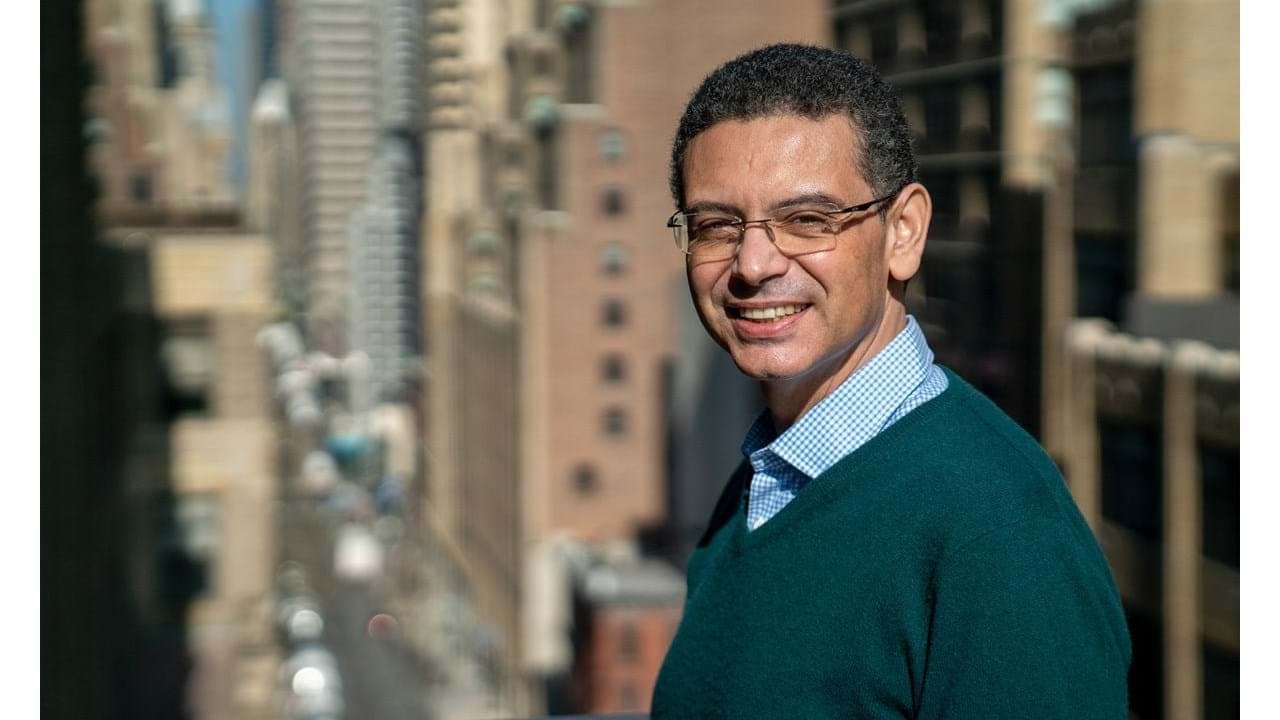
Pedro Conceição
Director, Human Development Report Office, UNDP, in Geneva Policy Outlook (2026)
Who's behind this
Where the NRI fits
The NRI would join other measures HDRO has added since the first Human Development Report introduced the HDI in 1990. The 2020 report, The Next Frontier: Human Development and the Anthropocene, asked how countries could continue human development while easing planetary pressures. It introduced the experimental planetary pressures-adjusted HDI (PHDI).
Three proposed dimensions
Like the HDI, the NRI would combine three dimensions into one number. Each dimension would be measured by one or more national indicators. The authors warn that indicators could reward poverty, inequality or the export of environmental harm to other countries.
What each dimension asks
Nature is thriving and accessible
How much space do people have to enjoy nature safely, and how much habitat do wild species have?
Nature is used with care
Do societies use forests, wild fish, air and rivers in ways that leave them in the same or better condition for people and the rest of the living world?
Nature is safeguarded
How much public money do societies spend on keeping water, air and the living world safe and healthy, including endangered species? What legal protections do they provide?
Erle Ellis and 18 co-authors
An aspirational approach to planetary futures, Nature (2025)
How the index could be used
Aims stated by HDRO and the paper's authors
Track each country's relationship with nature through regular updates, as the HDI does
Compare each country's NRI score with its HDI score
Raise the scores of countries that invest in shared spaces for people and nature, in clean air and water, and in restoring ecosystems
Give countries what HDRO calls “an evidence-based reference point” for decisions about sustainability
Where the work stands
Who is developing it
UNDP's Human Development Report Office. Its statistical and high-level advisory panels will guide a global consultation that informs the final index.
Expected release
The 2026 Human Development Report, Towards Peace with Nature: Nurturing the Foundations of Human Development
Before the Nature paper was published, its authors held 35 concept-testing interviews with members of the public in China, Egypt, India, Peru, Poland and the United States. The interviews led them to rename one dimension from “Nature is supported” to “Nature is safeguarded” and to change other terms.
The authors also built a test index from existing data as a proof of concept, to show the calculation could be done. Too few national indicators had data with global coverage and annual updates for a final version.
In early 2026, HDRO was testing whether the three dimensions were easy to understand and communicate, and had begun identifying indicators for each. The final indicators have not yet been published.
Pedro Conceição
Director, Human Development Report Office, UNDP, in Geneva Policy Outlook (2026)
How the index connects to CHP's work
CHP defines progress as expanding people's real freedoms to live lives they value. That definition and the NRI both draw on the human development tradition behind the Human Development Reports.
CHP studies the human side of progress, including why good ideas stall and what helps them take hold. The NRI's authors note that the ozone layer is recovering after international bans on ozone-depleting chemicals. They add that water and air pollution, including acid rain, have proved largely resolvable where regulation and investment were adequate. Efforts on the climate and biodiversity crises, they write, have made only modest progress.
Protecting nature requires cooperation between people and between countries. Cooperation sustains itself when people expect others to do their part, and CHP studies how those expectations form and change.
Erle Ellis and 18 co-authors
An aspirational approach to planetary futures, Nature (2025)
Published by Center for Human Progress (US) Inc., a 501(c)(3) organization