


Urban Development / Governance / Institutional Learning
Startup Cities as a New Model of Development
Zanzibar as a case in progress
new city projects announced worldwide, 1945–2021
million+ adults who would like to move to another country (Gallup World Poll, 2023)
Executive summary
As aid budgets shrink, some governments are trying new models of development. One such model is the startup city, our term for a new city that trains its own talent, with universities on site whose graduates can work and start businesses there. Zanzibar's government is pursuing this approach through the Fumba Free Economic Zone, which its Zanzibar Investment Promotion Authority (ZIPA) administers. In the zone, the developer CPS is building Fumba Town.
The African School of Economics (ASE) has a campus in Fumba Town and calls it "a charter city development". ASE, the Africa Urban Lab and the Charter Cities Institute (CCI) are involved in Fumba. Fumba Town is an early case, and there are no published results yet on how its rules work in practice.
Why governments are trying new models
Aid has saved lives and paid for basic services. Lasting growth also needs:
Aid and growth
Effective local institutions
Investment
Jobs
Migration
The Charter Cities Institute was founded in part to address migration caused by poverty, war and climate change. It proposes new cities with better governance as one response.
Startup cities and charter cities
What is a startup city?
A startup city is a new urban area planned from the start to have:
Clear, predictable rules
Secure property and investment rights
Institutions that can deliver public services
Universities and training that supply local talent
The idea builds on economist Paul Romer's 2009 proposal for charter cities, new cities where a host government allows a different set of rules. As we use the term, startup cities are meant to be:
Led by the host government and local partners
Politically legitimate where they are built
Planned to grow over decades
Most of Africa's urban growth will still happen in existing cities, which is why the Africa Urban Lab helps them plan their expansion (see Planning for Growing African Cities). New cities add to that work, because on a new site a government may have more room to try different rules.
Culture and rules
Formal rules work best when they match shared expectations about how others will behave. Economic historian Joel Mokyr argues that sustained growth depended on formal institutions and also on a culture that valued useful knowledge and experimentation. Mark Lutter, who founded CCI, sees charter cities as one way to create the right "cultural spark", by attracting talent and demonstrating better governance.
CHP's own research asks how rules and norms change together, and why the same rules can work well in one place and badly in another.
Why Zanzibar?
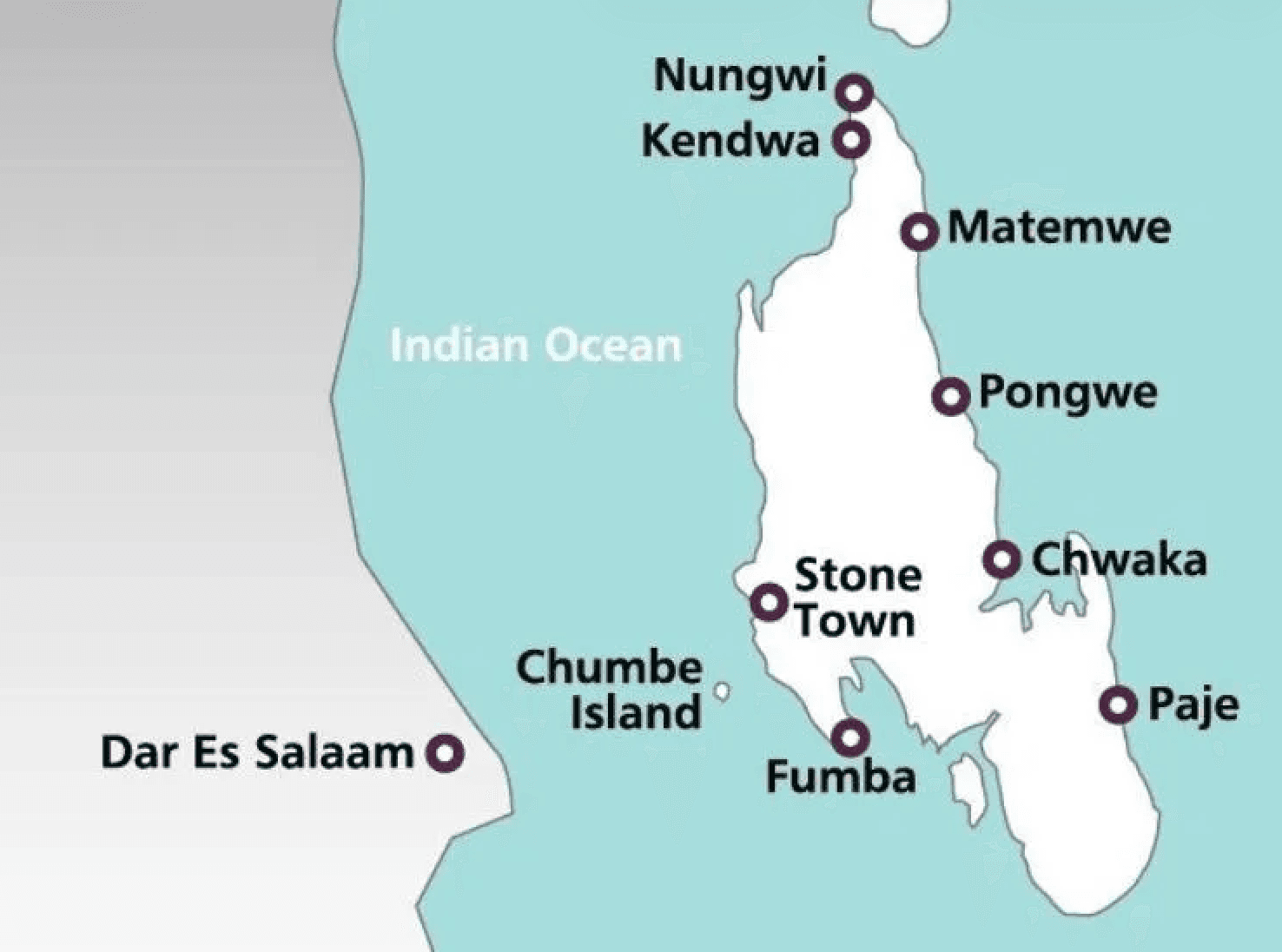
Fumba Town
Within the zone, the developer CPS is building Fumba Town, which it plans to grow into Fumba City.
ASE's Zanzibar campus, which houses the Africa Urban Lab, is in Fumba Town, and CPS provides space there for tech firms in the government's Silicon Zanzibar program. Each partner has a separate role:

Universities and training
Since 2023 Zanzibar has gained campuses of IIT Madras and the African School of Economics.



Rules for new cities
The Charter Cities Institute (CCI), founded by Mark Lutter, works on laws and governance for new cities (see Governance for Charter Cities). It publishes guidance and data, and it has an agreement with CPS on Fumba City.
Governance Handbook (2021)
Guidance on 16 areas of law, including tax, dispute resolution, land, labor, education and the environment. Kurtis Lockhart, Jeffrey Mason and Carl Peterson wrote it.
New Cities Map
A database of 353 new city projects announced between 1945 and 2021, each with a current or planned population of at least 100,000. CCI built it with the Adrianople Group. Detailed governance and finance data so far cover the Americas and India.
Fumba City agreement (2023)
In November 2023 CCI and CPS agreed to work together on the development and governance of Fumba City, including master planning and feasibility studies.
What success would look like
Startup cities aim to show what is possible and prompt reform elsewhere. Kurtis Lockhart argues that special jurisdictions such as new cities and economic zones let governments pilot reforms locally, identify the successes, discard the failures and then scale up what works. If Zanzibar's approach works, it could:
Raise incomes and widen opportunity in Zanzibar
Offer lessons that other governments can adapt
Build growth that Zanzibaris lead and own
GDP is one measure of success. Another is whether ordinary Zanzibaris feel the city belongs to them and that it widens what they and their children think is possible. CHP will document what is tried in Zanzibar and the conditions behind each result, so other governments can judge what applies to them.
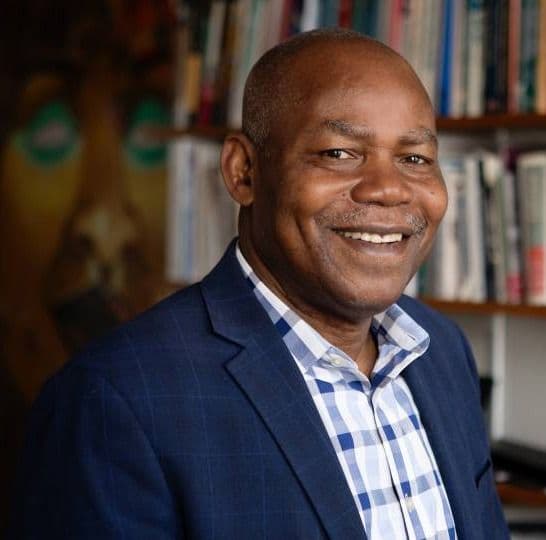
Leonard Wantchekon
Founder and President, African School of Economics
Published by Center for Human Progress (US) Inc., a 501(c)(3) organization