
An image of the Earth with light pollution visible

The Center for Human Progress is a think-and-do tank combining cultural evolution and economics. We work on the human side of progress that often prevents good ideas from working.

Our People

Affiliates contribute independent expertise to specific projects. Being listed here does not mean an affiliate endorses every CHP project or position, or that CHP endorses theirs. Institutional affiliations are provided for identification and do not imply institutional endorsement of CHP.

Leadership

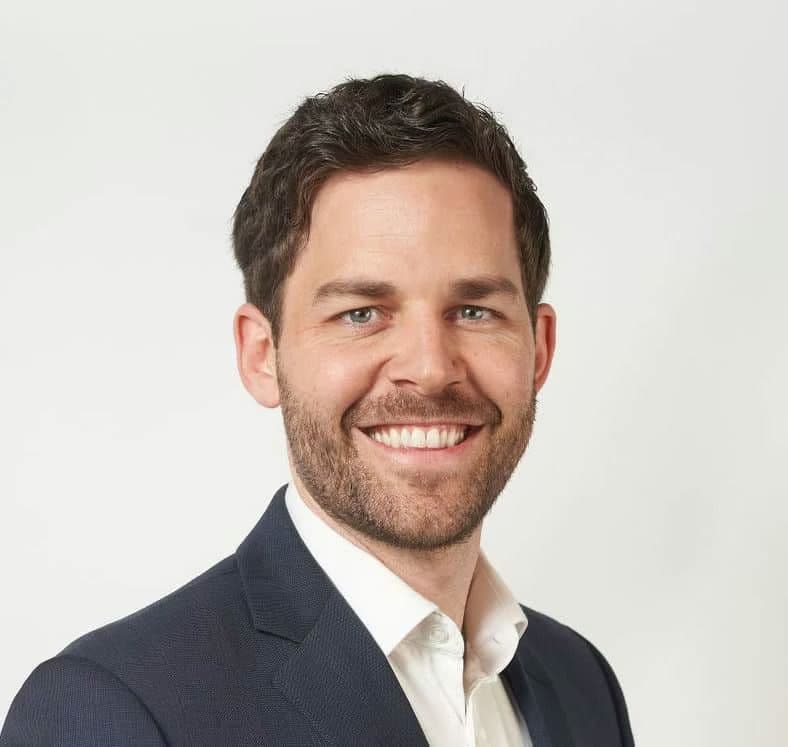
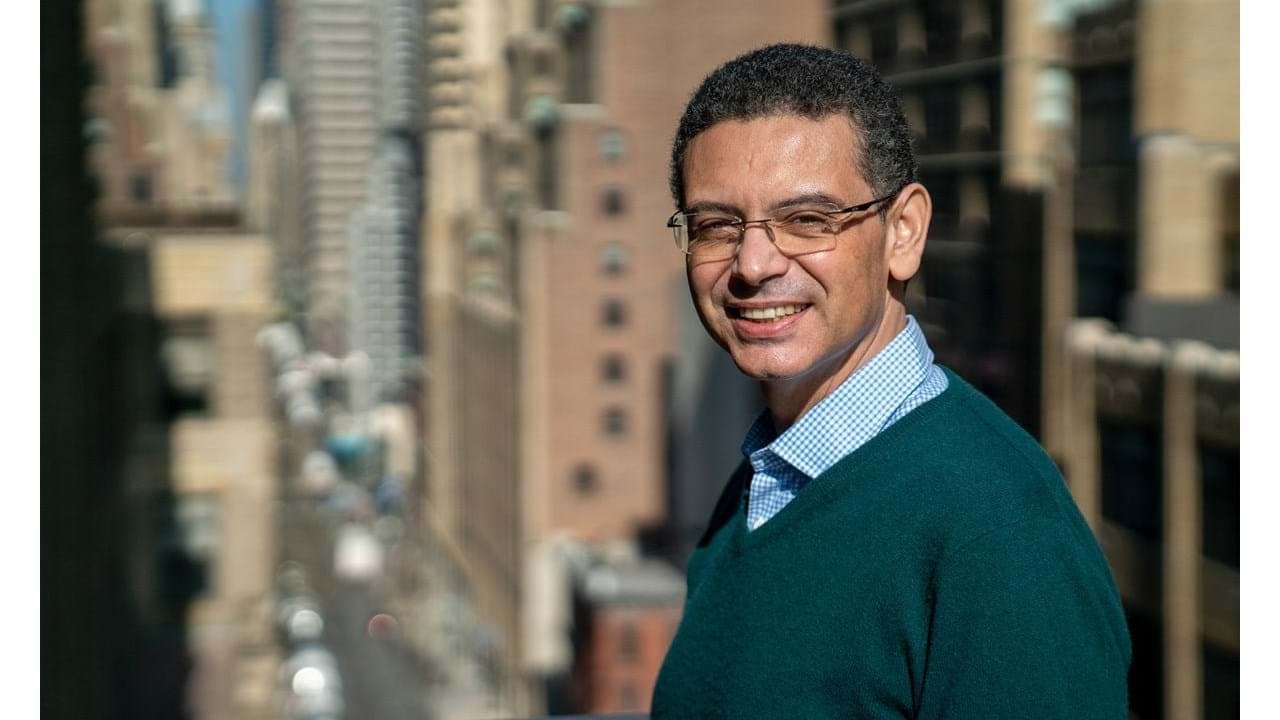
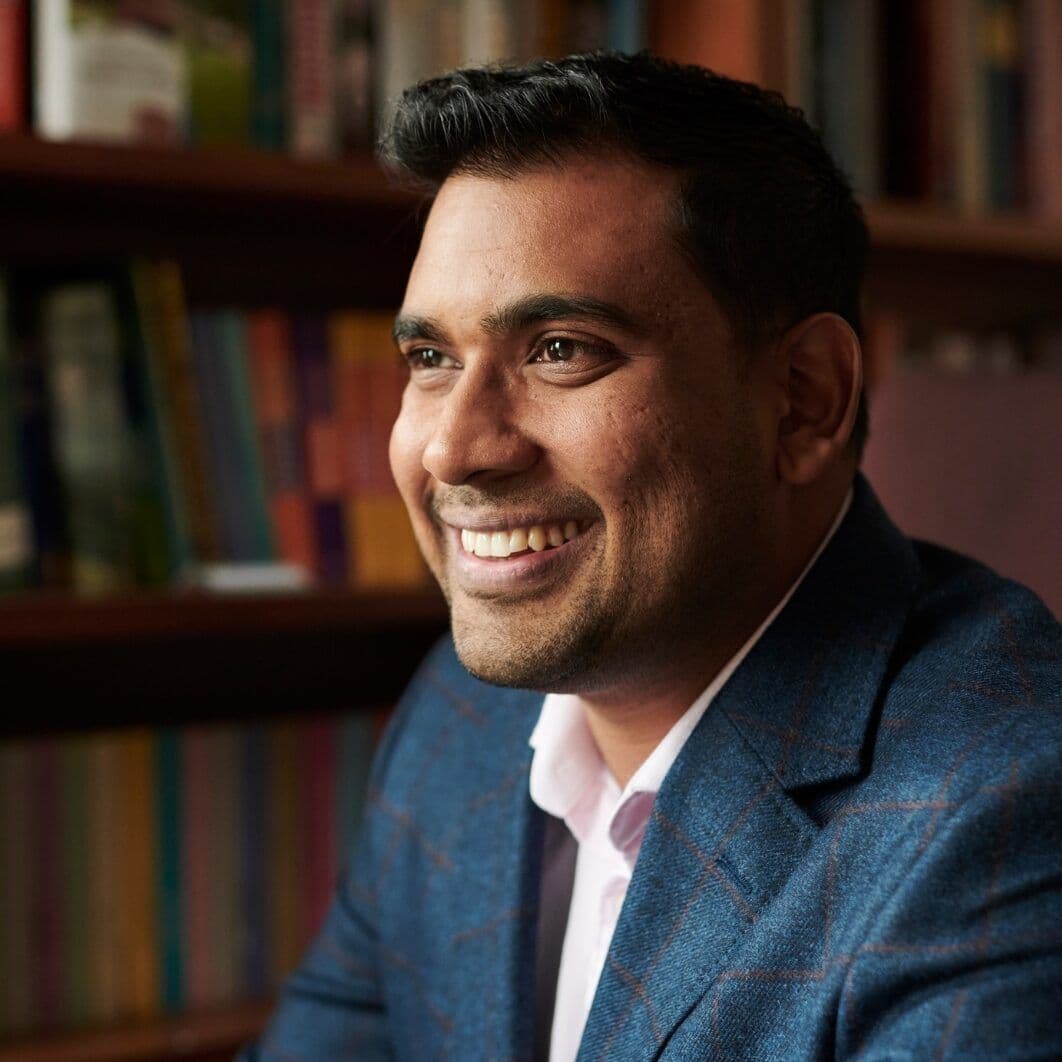
A portrait of Michael Muthukrishna, president of CHP

Michael Muthukrishna

Founding President

Professor of Economic Psychology, London School of Economics and Political Science and New York University

Michael Muthukrishna researches how culture turns individual minds into collective intelligence and how we can turn that intelligence into human progress. He is the author of A Theory of Everyone.
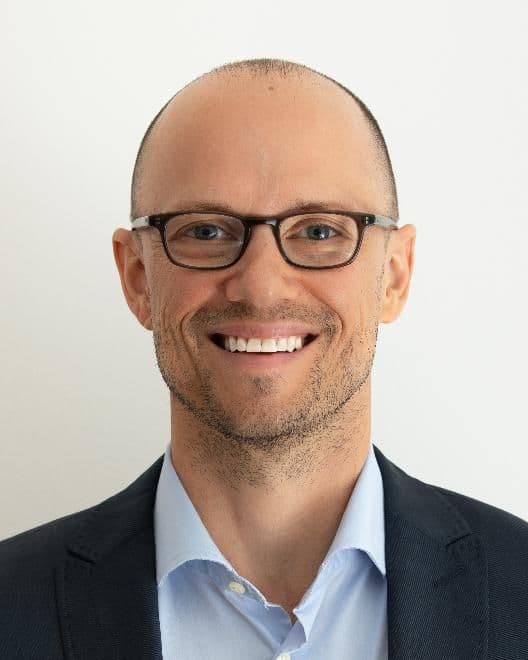
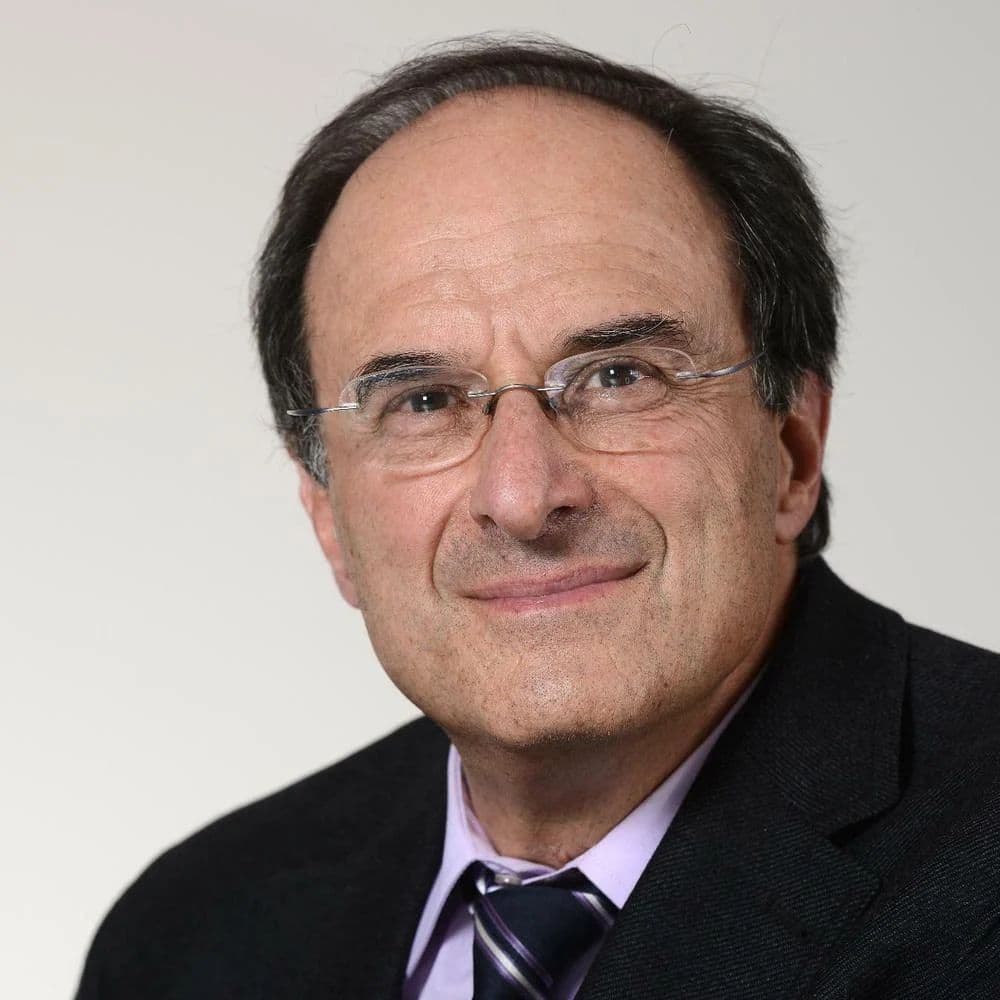
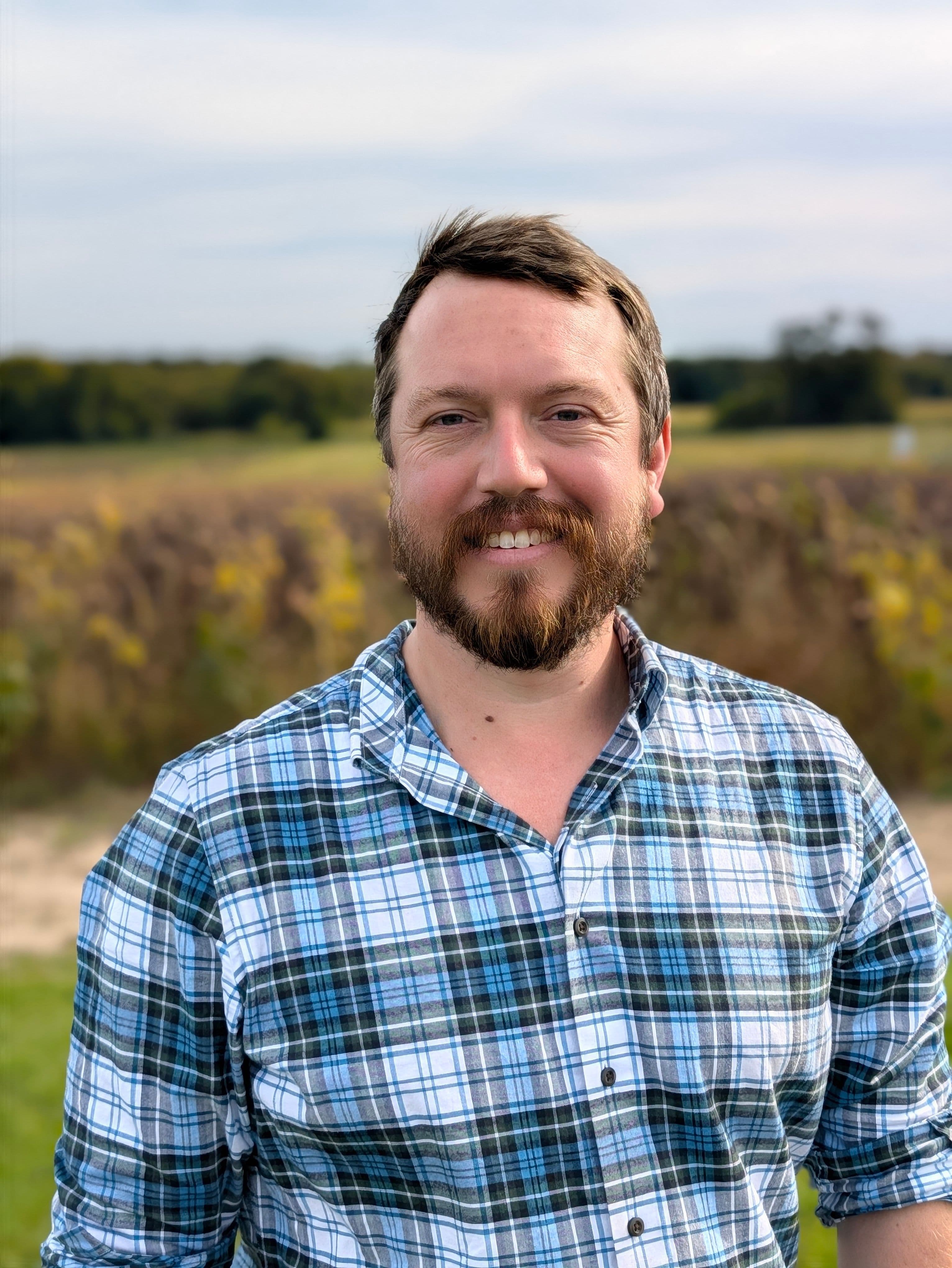
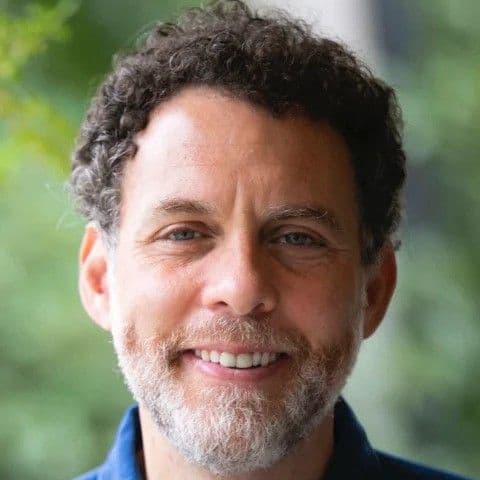
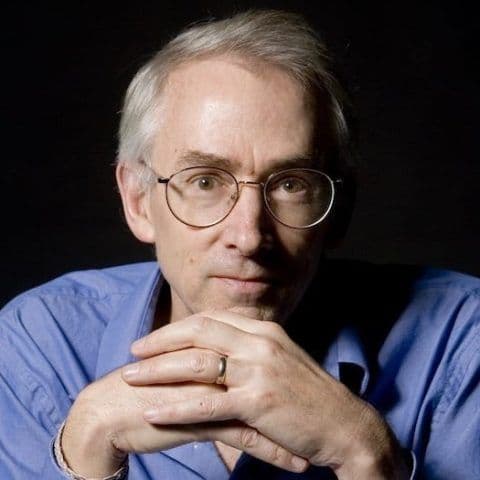
Charles Efferson headshot

Charles Efferson

Board Member

Professor, Faculty of Business and Economics, University of Lausanne

Charles Efferson is a behavioural scientist whose research spans cultural evolution, social learning, and human cooperation, exploring how social norms, conformity, and strategic behaviour shape collective outcomes and social dilemmas. He serves as a board member on the US Center for Human Progress.

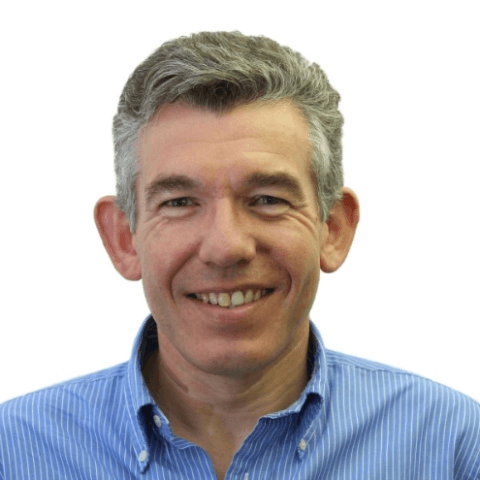
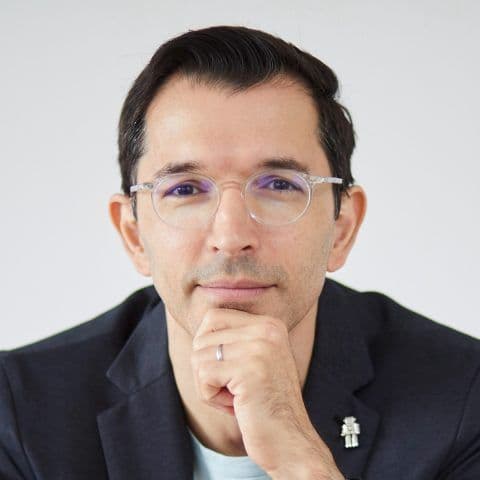
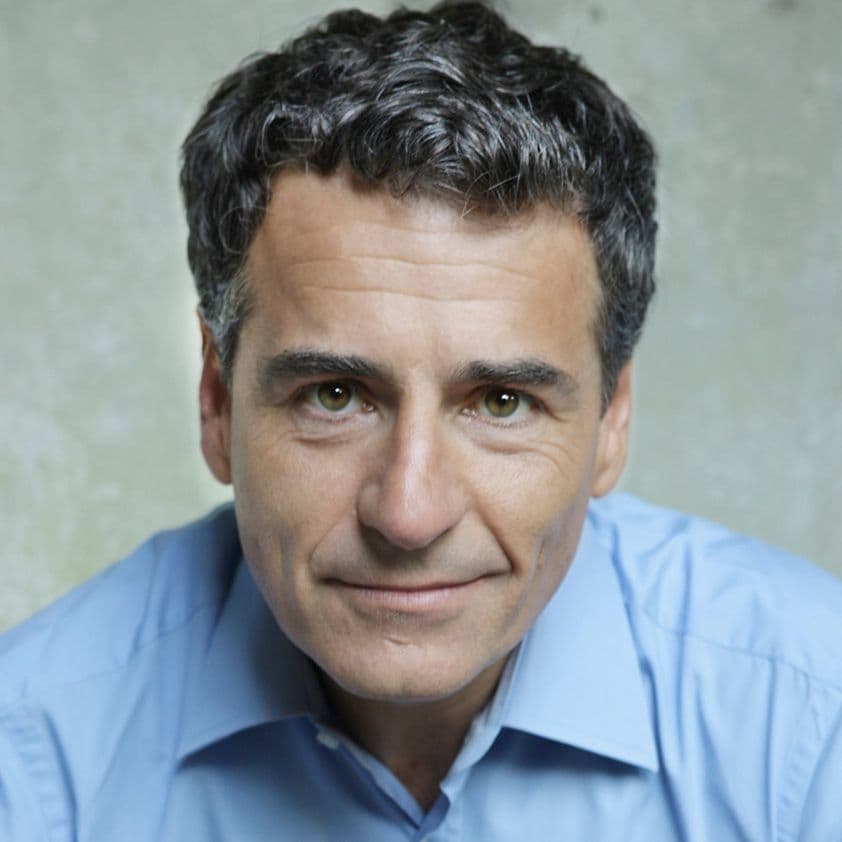
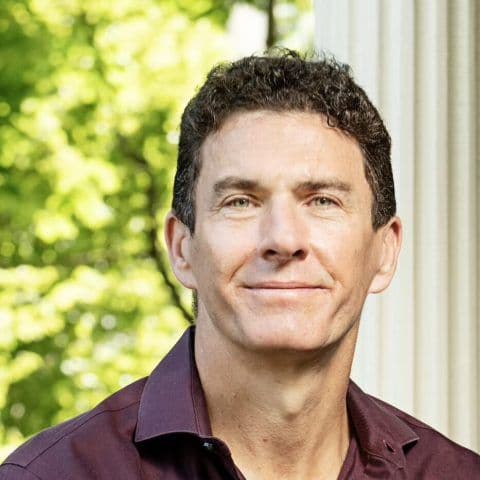
Joe Henrich headshot

Joe Henrich

Board Member

Ruth Moore Professor of Biological Anthropology and Professor of Human Evolutionary Biology, Harvard University

Joe Henrich studies how human psychology and culture co-evolve, using evolutionary theory to explain norms, cooperation, social stratification, with particular emphasis on institutions and cumulative cultural evolution. He is a board member of the US Center for Human Progress and the author of The WEIRDest People in the World.

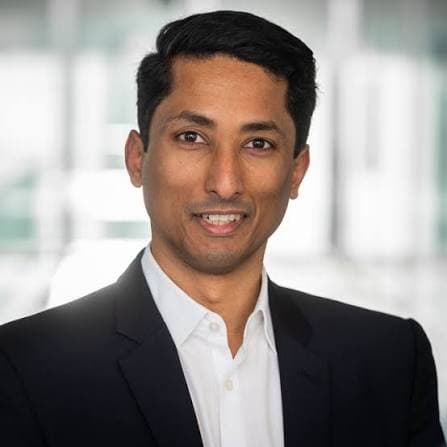
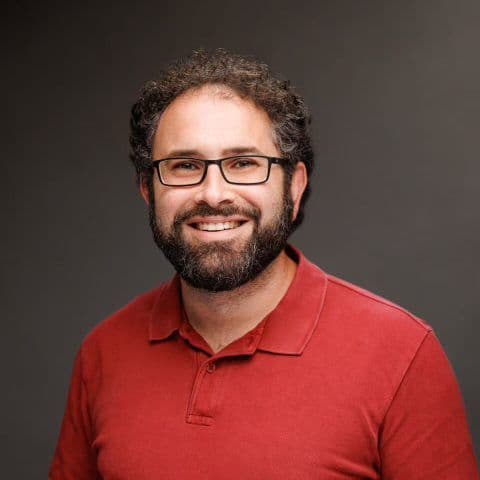
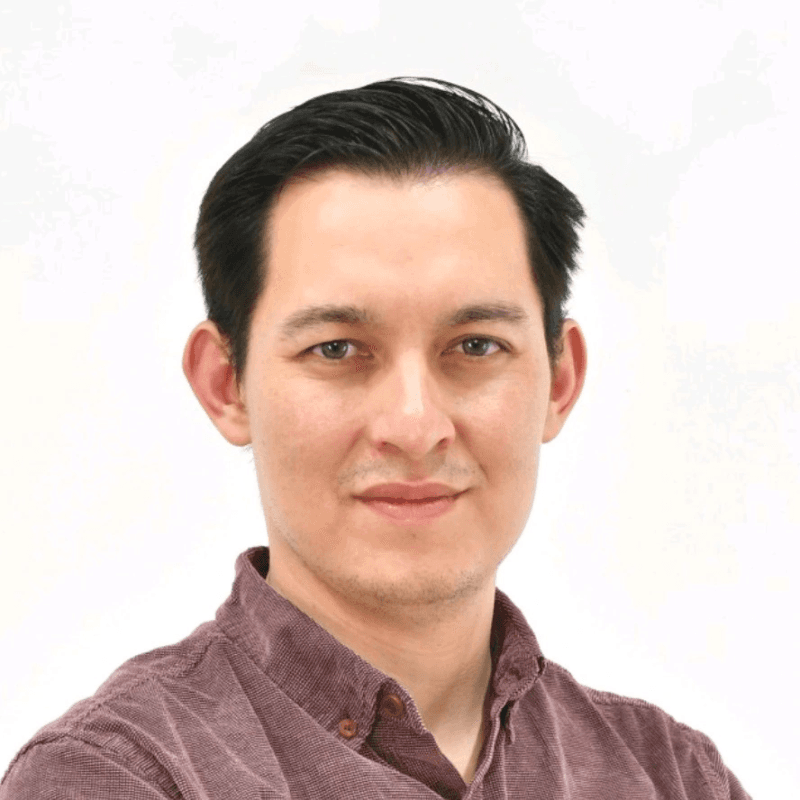
Kurtis Lockhart headshot

Kurtis Lockhart

Board Member

Founder and Executive Director, Africa Urban Lab

Kurtis Lockhart is a development researcher and policy expert focused on institutional reforms, urban governance, and public goods provision with a regional focus on sub-Saharan Africa, including state capacity and policy implementation. He served as Executive Director of the Charter Cities Institute and as a board member on the US Center for Human Progress.

Stephanie Salgado placeholder

Stephanie Salgado

Board Member

Operations Manager

Stephanie Salgado provides operations leadership for the running of the centers. She has a background in business and human resource management. She serves on the board of the UK entity, Centre for Human Progress.

Dennis J Snower headshot

Dennis J Snower

Board Member

Founding President, Global Solutions Initiative; former President, Kiel Institute for the World Economy

Dennis J. Snower is an expert on labor economics, socioeconomics, public policy, and inflation-unemployment tradeoffs. With David Sloan Wilson, he is developing a paradigm for economics based on multilevel evolution. He also co-developed the SAGE dashboard, which measures prosperity beyond GDP. He serves on the board of the UK entity, Centre for Human Progress.

A headshot of Sonja Vogt

Sonja Vogt

Board Member

Professor, Faculty of Business and Economics, University of Lausanne

Sonja Vogt’s research focuses on the mechanisms that can address societal and environmental challenges such as public health, education, climate change, and land degradation. She co-leads the Policy and Cultural Evolution Lab (PACElab) with Charles Efferson and collaborates with UN agencies and NGOs on projects across the Global South. She serves on the board of the UK entity, Centre for Human Progress.

Ben Warner headshot

Ben Warner

Board Member

Co-founder, Electric Twin; Former Chief Advisor on Digital and Data to the UK Prime Minister

Ben Warner is a data scientist and former Chief Advisor to the Prime Minister on Digital and Data, where he established the Number Ten Data Science Unit (10DS) and helped shape the government's response to COVID-19. He is co-founder of Electric Twin, which builds synthetic populations from survey data and large language models. He serves on the board of the UK entity, Centre for Human Progress.

Affiliates

Angus Armstrong headshot

Angus Armstrong

Director of Rebuilding Macroeconomics at the Institute for Global Prosperity, University College London

Angus Armstrong leads Rebuilding Macroeconomics, a research network set up in response to the 2008 financial crisis. It was initially funded by the ESRC and is now hosted at UCL’s Institute for Global Prosperity. His work treats the macroeconomy as a system for creating and using knowledge under fundamental uncertainty.

Jean-Paul Carvalho

Jean-Paul Carvalho

Professor of Political Economy, University of Oxford

Jean-Paul Carvalho is an economist whose research focuses on political economy, social dynamics, and the institutional factors driving economic performance. His work combines game-theoretic models of population dynamics with historical analysis to study the economics of identity, culture, religion, and the political-economic risks of artificial intelligence. He previously directed the Institute for Mathematical Behavioral Sciences at UC Irvine and is a co-editor of Advances in the Economics of Religion.

Pedro Conceição headshot

Pedro Conceição

Director of the Human Development Report Office, United Nations Development Programme

Pedro Conceição has directed UNDP’s Human Development Report Office since 2019 and is lead author of the Human Development Report. He has published on inequality, the economics of innovation and technological change, and development. He previously served as UNDP’s Director of Strategic Policy and as Chief Economist of its Regional Bureau for Africa.

david-duvenaud-headshot

David Duvenaud

Associate Professor of Computer Science and Statistical Sciences, University of Toronto

David Duvenaud studies AGI governance, evaluation, and mitigating risks from future AI systems. He is known for co-developing neural ODEs and graph neural networks, and he recently completed a sabbatical on Anthropic's Alignment Science team, where he led evaluations for deceptive behaviors in large language models. He holds a Schwartz Reisman Chair in Technology and Society and is a founding member of the Vector Institute.

Alice Evans headshot

Alice Evans

Visiting Associate Professor in Economics, Stanford University

Dr Alice Evans’ research focuses on explaining why all societies have become more gender equal, and why some are more equal than others. She has published on gender, declining birth rates, urbanisation, the drivers of social change, inequality, and global production networks, including on how cities catalyse gender equality across cultures. She is working on a book: The Great Gender Divergence.

Fourie headshot

Johan Fourie

Professor of Economics and Chair of Economics, History and Policy, Stellenbosch University

Johan Fourie is an economist and economic historian who uses quantitative methods to study African economic history, long-term growth patterns, and institutions. He is the director of the Laboratory for the Economics of Africa’s Past, advancing quantitative history methods; and he is the author of Our Long Walk to Economic Freedom.

Patrick Francois headshot

Patrick Francois

Professor in the Vancouver School of Economics, University of British Columbia

Patrick Francois is an economist working on economic growth and political economy, with a focus on institutions and governance. His research studies how incentives, power, and political structures shape long-run development outcomes, particularly in settings where formal institutions are weak or evolving over time.

Joshua Green headshot

Joshua Greene

Alfred and Rebecca Lin Professor of Civil Discourse and Professor of Psychology, Harvard University

Joshua Greene is a psychologist, neuroscientist, and philosopher whose research on moral judgment, decision-making, and depolarization explores how people think about right and wrong and how these processes shape public discourse. He currently examines strategies for expanding our moral circles, with a focus on real-world impact. He is the author of Moral Tribes: Emotion, Reason, and the Gap Between Us and Them.

Brian Hare headshot

Brian Hare

Professor of Evolutionary Anthropology, Psychology, and Neuroscience, Duke University

Brian Hare’s research focuses on the cognitive and social foundations of human behavior, including dehumanization, intergroup conflict, and prosociality across species and contexts, with applications to human and animal cooperation. His work spans evolutionary psychology, comparative cognition, and the biological roots of cooperation and conflict. He is the co-author of Survival of the Friendliest: Understanding Our Origins and Rediscovering Our Common Humanity.

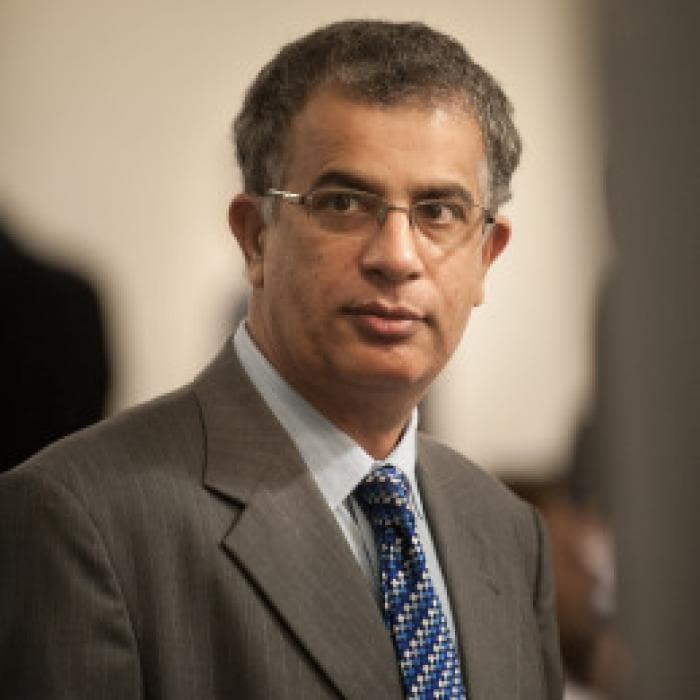
adnan khan headshot

Adnan Khan

Professor in Practice, School of Public Policy, London School of Economics

Adnan works on geoeconomics, economic development, political economy, and state capacity, and directs the Executive Masters in Public Administration. He recently served as Chief Economist in the Foreign, Commonwealth and Development Office (FCDO) of the UK. He previously served as Research and Policy Director at the International Growth Centre, co-chaired the LSE-Oxford Commission on State Fragility, and taught Public Policy at the Harvard Kennedy School. He co-founded Centre for Economic Research in Pakistan (CERP) and has previously served in the Pakistan Administrative Service (PAS) in various positions.

mark koyama headshot

Mark Koyama

Professor of Political Economy, Hamilton School, University of Florida

Mark Koyama is an economic historian studying state capacity, institutions, and the origins of sustained economic growth. He is co-author, with Jared Rubin, of How the World Became Rich: The Historical Origins of Economic Growth (2022).

Sydney-Levine-headshot

Sydney Levine

Assistant Professor of Psychology, New York University

Sydney Levine studies moral cognition, combining behavioural experiments with computational modelling to explain how people decide what is permissible and when a rule can be broken. She now applies that work to AI alignment, developing methods based on hypothetical agreements among the stakeholders an AI system affects.

Mark Lutter headshot

Mark Lutter

Founder and Executive Director, Charter Cities Institute

Mark Lutter is an urban economist and institutional entrepreneur focused on charter cities and innovative governance. His work combines economics, institutional design, and urban development to advance new models of governance and city-scale experimentation.

Nathan Nunn headshot

Nathan Nunn

Professor, Vancouver School of Economics, University of British Columbia

Nathan Nunn is an economist whose research links history, culture, and political economy to long-run economic development. His work examines how past institutions and historical events shape present-day outcomes, and he has published widely on culture and economic development in a global and comparative perspective.

Iyad Rahwan headshot

Iyad Rahwan

Director, Center for Humans and Machines, Max Planck Institute for Human Development

Iyad Rahwan is a computational social scientist whose research examines collective intelligence and the societal implications of artificial intelligence. His work bridges computer science and the social sciences, focusing on how humans and machines can interact productively. His work includes the Moral Machine experiment, and he co-led “Machine behaviour” (Nature, 2019), a paper that brought together research on how AI systems behave as a single field.

Ben Rosman headshot

Benjamin Rosman

Professor in the School of Computer Science and Applied Mathematics, University of the Witwatersrand

Benjamin Rosman works on artificial intelligence and machine learning, including robotics and reinforcement learning. He co-founded the Deep Learning Indaba and Lelapa AI, is founding Director of the Wits MIND Institute, and was named to the TIME100 AI list in 2025.

Philip Schellekens headshot

Philip Schellekens

Chief Economist for Asia and the Pacific, United Nations Development Programme

Philip Schellekens is the Chief Economist at UNDP Asia and the Pacific, where his work focuses on economic development, inequality, and the challenges and opportunities posed by new technologies. Previously, he served as Senior Economic Advisor at the World Bank Group, where he held senior research and operational roles and led major flagship reports, including the IMF–World Bank Global Monitoring Report on demography. His work has focused particularly on innovation-led and inclusive growth in middle-income countries.

Jonathan Schulz headshot

Jonathan Schulz

Associate Professor of Economics, George Mason University

Jonathan Schulz’s research lies at the intersection of Cultural Evolution, Economics, and Psychology, focusing on how human psychology co-evolves with formal and informal institutions and how this dynamic has shaped our contemporary world.

Sandra Sequeira

Sandra Sequeira

Professor of Development Economics at the School of Public Policy and Director of STICERD, London School of Economics and Political Science

Sandra Sequeira is an economist whose research focuses on development economics, political economy, and consumer behavior. Her empirical work examines the institutional and behavioral bottlenecks to economic growth, with extensive field research covering the mechanics of corruption, the socioeconomic integration of displaced populations, and the roots of political polarization and zero-sum thinking. Her research bridges applied microeconomic data and real-world policy design to understand how infrastructure, institutions, and human capital shape long-term structural development.

Walter Sinnott-Armstrong

Walter Sinnott-Armstrong

Chauncey Stillman Professor of Practical Ethics, Philosophy Department and Kenan Institute for Ethics, Duke University

Walter Sinnott-Armstrong is a philosopher working on ethics, moral psychology, informal reasoning, and applied moral issues, such as political polarization. He has appointments in philosophy, ethics, law, and psychology and neuroscience. He is a prolific author in moral theory and applied ethics with books such as Think Again: How to Reason and Argue and Moral AI and How We Get There.

Davis Sloan Wilson

David Sloan Wilson

Distinguished Professor Emeritus of Biological Sciences and Anthropology, Binghamton University

David Sloan Wilson is an evolutionary biologist whose research focuses on social evolution, multilevel selection, and the application of evolutionary theory to human behaviour. He co-founded the Evolution Institute and serves as President of ProSocial World, a nonprofit applying evolutionary science to cultural change and cooperative behaviour. He is the author of This View of Life: Completing the Darwinian Revolution.

andres velasco headshot

Andrés Velasco

Professor of Public Policy, London School of Economics and Political Science

Andrés Velasco is Professor of Public Policy at the London School of Economics and Political Science. He also served as Minister of Finance of Chile between 2006 and 2010. His work to save Chile’s copper windfall and create a rainy-day fund was highlighted in the Financial Times, the Economist, the Wall Street Journal and Bloomberg. He is the author of nearly one hundred academic articles, several academic books, and two novels. In 2000-06 he was Sumitomo-FASID Professor of International Finance and Development at the Harvard Kennedy School.

Marc Warner headshot

Marc Warner

CEO and Co-founder, Faculty; Global CTO, Accenture

Marc Warner leads Faculty, a leading AI strategy and solutions company helping organizations adopt responsible, human-led AI; and is the Global Chief Technology Officer of Accenture. Before Faculty, Marc was a Marie Curie Fellow in Physics at Harvard University, specialising in quantum sensing. He also worked with governments and major enterprises on impactful AI applications.

Daniel Yu headshot

Daniel Yu

Founder, Wasoko & Africa Jobs Fund

Daniel Yu founded Wasoko (formerly Sokowatch), a pan-African B2B e-commerce and logistics platform transforming access to essential goods for informal retailers across African countries. He is Founding Partner of the Africa Jobs Fund, which aims to create high-productivity jobs for African workers through export manufacturing and international labor mobility. He won the Prince of Wales Young Sustainability Entrepreneur Prize in 2015 and was named to the Forbes 30 Under 30 list of social entrepreneurs in 2016.